 Lil' Phil
See your baby grow
Pick your pregnancy week to see how big your baby is and what’s changing.
Week 3 · One cell is becoming many

One cell is becoming many
Around day 14 an egg and a sperm meet, and a single new cell begins to divide.
More about week 3
Look back through the calendar together and guess the day it all began.
Pregnancy is counted from the first day of your last period, so the first two weeks come before conception.
Within a few days it is a tiny ball of cells travelling towards the womb.
Week 4 · Your baby has settled into the womb

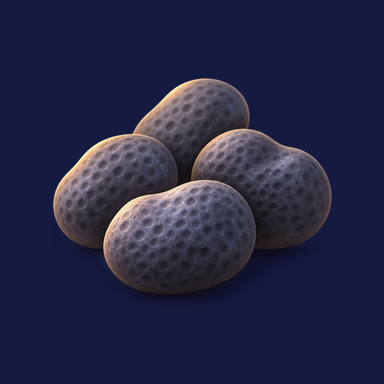
Your baby has settled into the womb
A tiny ball of cells has burrowed into the lining of your womb.
About the length of a poppy seed
- Head to bottom
- 2 mm
More about week 4
Take a quiet minute together today and let the news sink in.
The inner cells will become your baby, and the outer cells will help form the placenta.
A small yolk sac feeds the embryo for now, inside a sac of fluid that cushions it.
Week 5 · A brain and spine begin to form
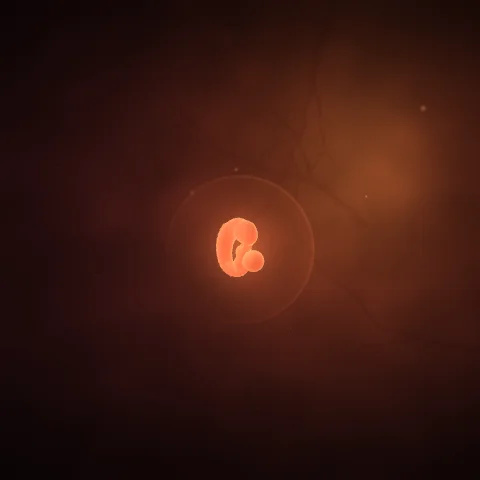
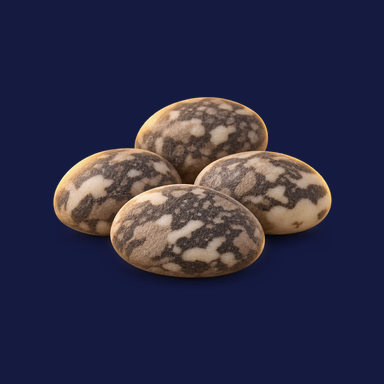
A brain and spine begin to form
The brain and spinal cord are starting to form from a groove along your baby's back.
About the length of a chia seed
- Head to bottom
- 2 mm
More about week 5
Rest a hand low on your belly and say hello, even though there is nothing to feel yet.
The first blood vessels are forming, and some will become the umbilical cord.
A small tube is forming that will develop into the heart.
Week 6 · The heart is beginning to develop

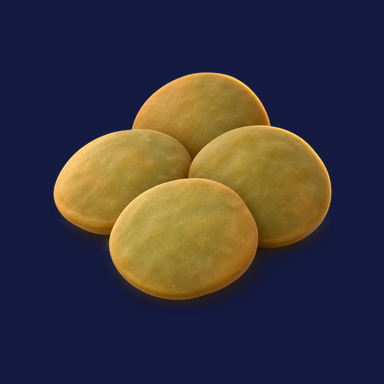
The heart is beginning to develop
The early heart is a small tube that will grow into a more complex shape.
About the length of a lentil
- Head to bottom
- 4 mm
More about week 6
Write down the first thing you’d like to tell them.
Small buds have appeared that will grow into arms and legs.
Your baby is curled like a tiny tadpole, with a little tail that will disappear.
Week 7 · The brain is growing fastest of all
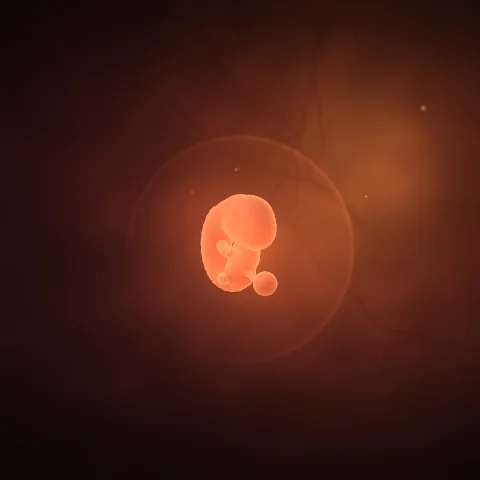

The brain is growing fastest of all
The brain is growing faster than the rest of the body, so the forehead looks large.
About the length of a blueberry
- Head to bottom
- 1.1 cm
More about week 7
Tell your baby one thing about your day, out loud, just to start the habit.
The ends of the arm buds are flattening into paddles that will become hands.
Small dimples mark where the nose and ears will be.
Week 8 · Tiny fingers are starting to form
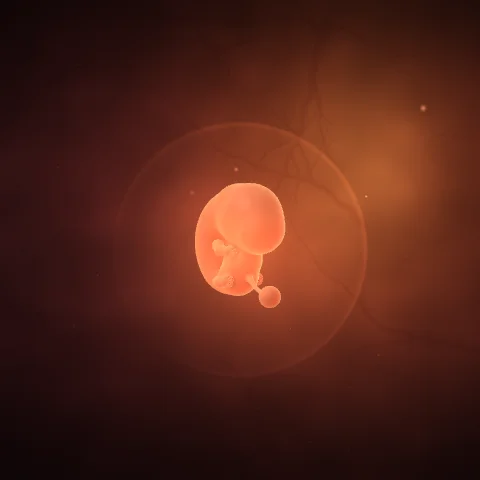
Tiny fingers are starting to form
Fingers are beginning to form, still joined by webbing for now.
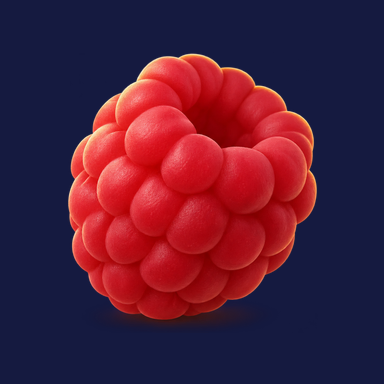
About the length of a raspberry
- Head to bottom
- 1.7 cm
More about week 8
Look at the nail on your little finger and picture whole hands smaller than that.
The upper lip and the tip of the nose have taken shape.
Your baby's back and neck are starting to straighten, and the little tail is shrinking.
Week 9 · Your baby can move a little now
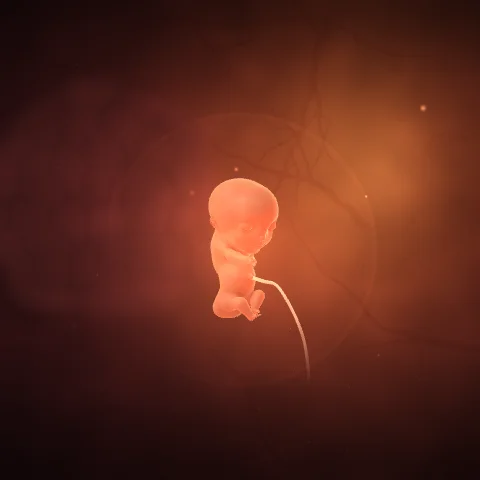
Your baby can move a little now
Tiny muscles have started to work, so your baby can make small movements, far too gentle to feel.
About the length of a grape
- Head to bottom
- 2.3 cm
More about week 9
Think of a nickname you could use before they have a name.
Elbows have appeared, and the arms bend as if your baby is hugging themselves.
Eyelids are forming over the eyes, and the tongue already has tiny taste buds.
Week 10 · Fingers and toes have separated
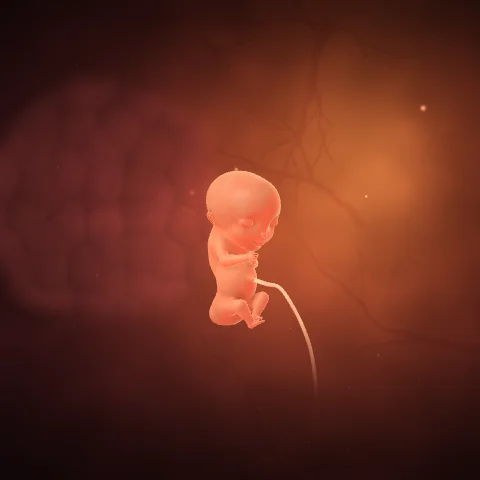
Fingers and toes have separated
The webbing between the fingers and toes has gone, and they are growing longer.
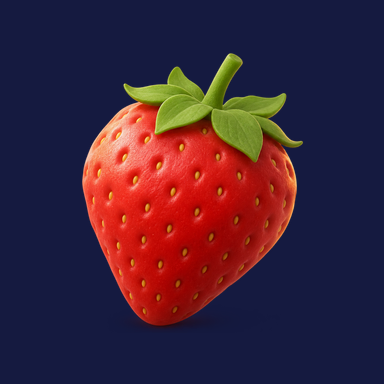
About the length of a strawberry
- Head to bottom
- 3.4 cm
More about week 10
Count each other's fingers and picture a set finer than a grain of rice.
The heart now has four chambers and beats about twice as fast as yours.
The little tail has disappeared, and the head is becoming rounder.
Week 11 · Half your baby's length is head
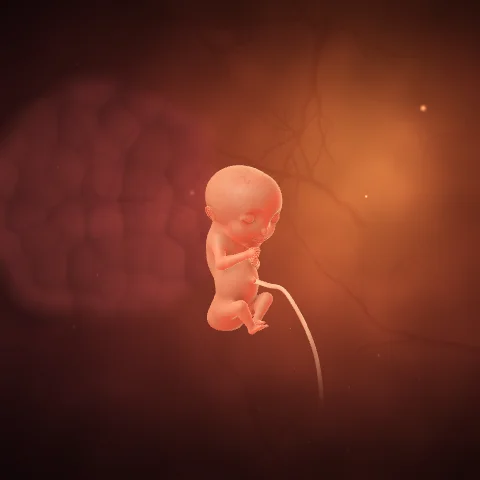
Half your baby's length is head
Your baby's head is about as long as the rest of the body.
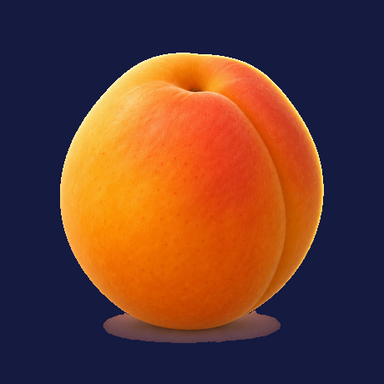
About the length of an apricot
- Head to bottom
- 4.4 cm
More about week 11
Read a few lines of anything aloud tonight and let it become a habit.
Nail beds are forming at the tips of the fingers and toes.
Nerves and muscles are starting to work together, so your baby makes small, jerky movements.
Week 12 · Every organ is now in place
Every organ is now in place
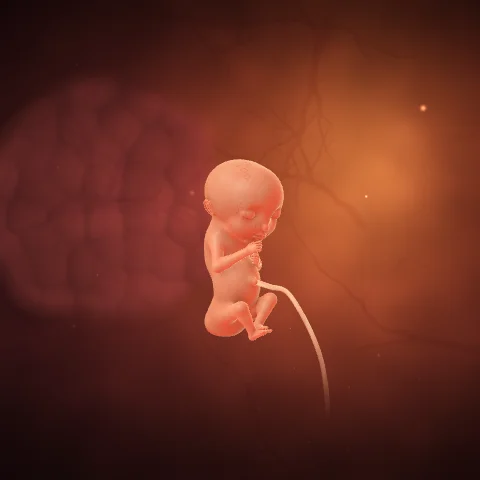
All of your baby's organs, limbs and bones are in place, and from here they grow and mature.
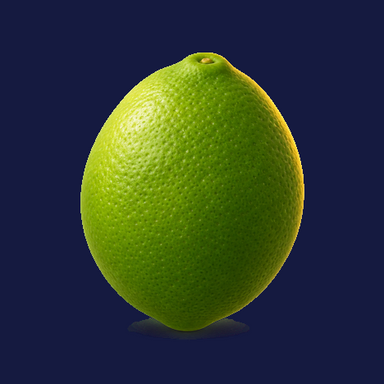
About the length of a lime
- Head to bottom
- 5.7 cm
More about week 12
Choose a lullaby together now, ready for when your baby can hear it.
Your baby is swallowing small sips of the fluid around them and passing it out again.
Twenty tiny tooth buds are sitting in the gums.
Week 13 · Your baby can suck their thumb
Your baby can suck their thumb
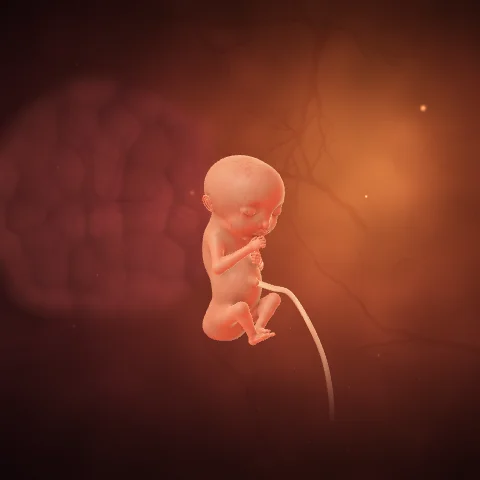
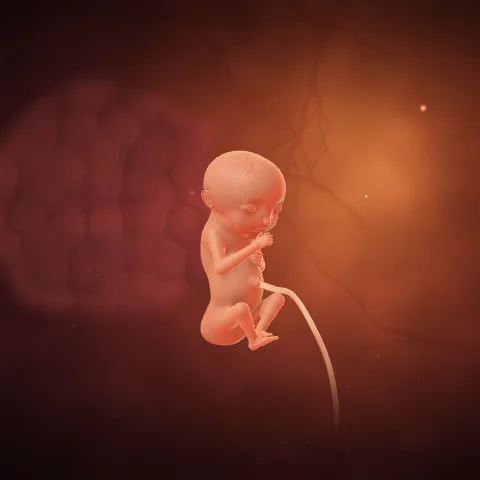
Some babies start sucking a thumb around now, which is practice for feeding later.
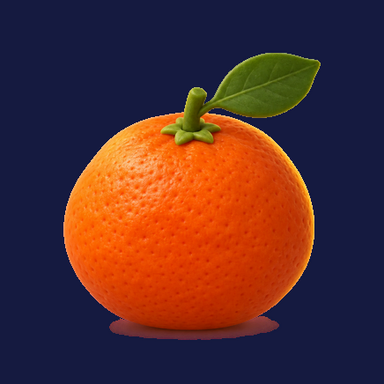
About the length of a mandarin
- Head to bottom
- 6.8 cm
More about week 13
Ask your own parents whether you sucked your thumb, and tell your baby the answer.
The vocal cords are beginning to form, long before there is a first cry.
Bones are hardening, starting with the skull and the long bones of the arms and legs.
Week 14 · Tiny hands curl when touched
Tiny hands curl when touched
Reflexes have switched on, so your baby's hands and feet would curl if something touched them.
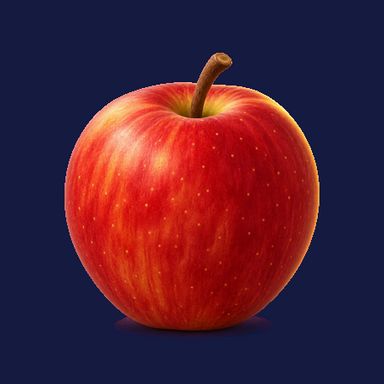
About the length of an apple
- Head to bottom
- 8.1 cm
- Typical weight
- 90 g
More about week 14
Close your hand around your partner's finger, the way your baby's hand now closes.
The neck is longer now, and the face looks more like a baby's.
The kidneys are working, so your baby swallows a little fluid and wees it back out.
Week 15 · Fine, soft hair covers your baby
Fine, soft hair covers your baby
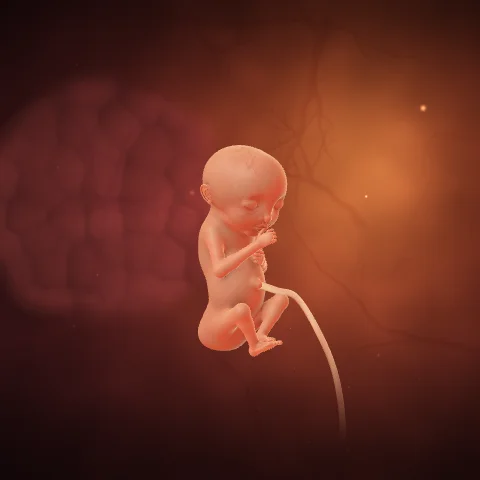
A layer of fine, downy hair is starting to cover your baby's body.
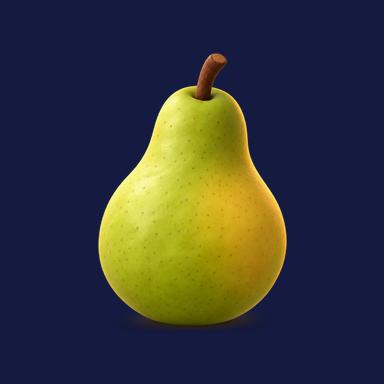
About the length of a pear
- Head to bottom
- 10 cm
- Typical weight
- 114 g
More about week 15
Hear how your voice will sound from the inside, low and muffled and close.
The tiny bones of the ear are forming, getting ready for the first sounds.
From now your baby's body grows faster than the head, so everything starts to look more in proportion.
Week 16 · Your baby is pulling faces
Your baby is pulling faces
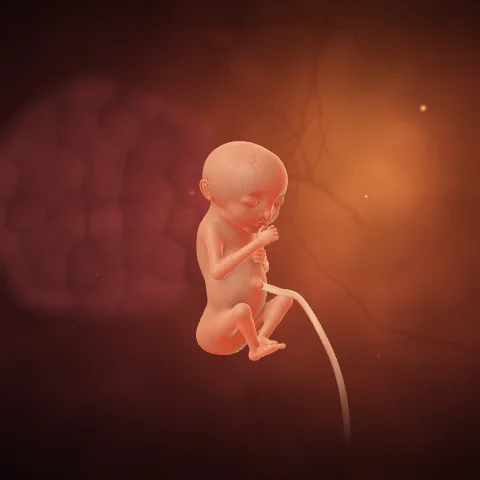
Your baby can frown, squint and pull faces, though none of it means anything yet.
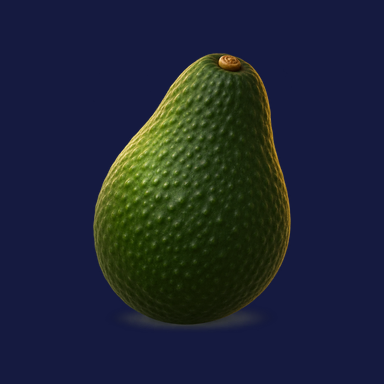
About the length of an avocado
- Head to bottom
- 11.5 cm
- Typical weight
- 144 g
More about week 16
Pull your silliest faces at each other, since your baby is doing the same.
Small hands can make a fist, and some babies take hold of the umbilical cord.
The eyes can move slowly from side to side behind closed lids.
Week 17 · Unique fingerprints are forming
Unique fingerprints are forming
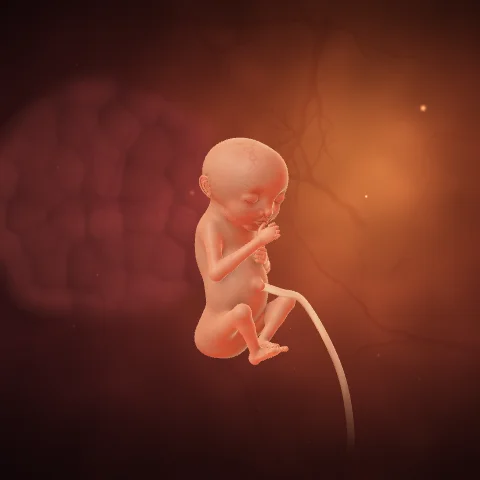
Fine lines on the fingertips are becoming fingerprints that no one else will ever have.
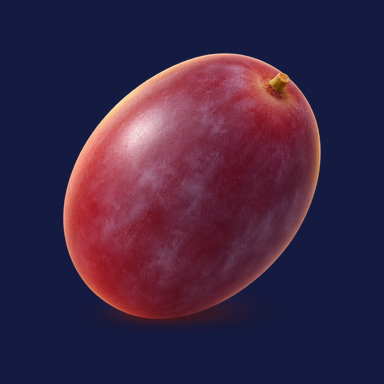
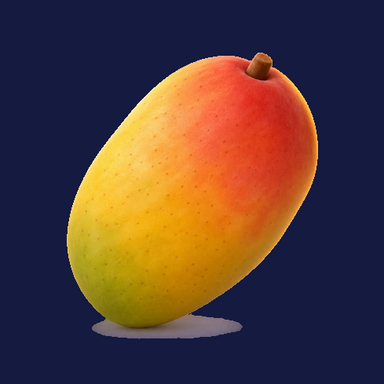
About the length of a mango
- Head to bottom
- 13 cm
- Typical weight
- 179 g
More about week 17
Look closely at your own fingertips together, because your baby is growing a set no one else has.
Your baby is busy rolling and flipping.
The taste buds are developing.
Week 18 · Your baby may hear first sounds
Your baby may hear first sounds
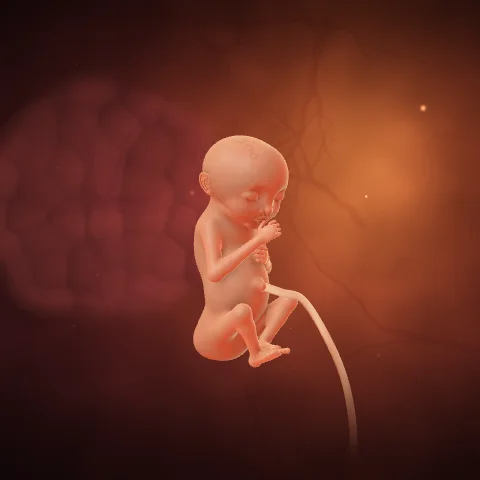
The ears now stand out from the head, and around now some babies begin to pick up sound.
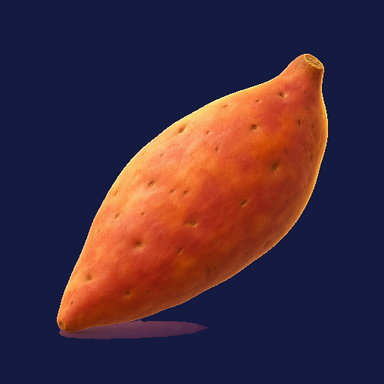
About the length of a sweet potato
- Head to bottom
- 14 cm
- Typical weight
- 222 g
More about week 18
Sing or hum the lullaby you chose, as your baby may be starting to hear it.
Your baby can yawn and get hiccups.
A coating called myelin is starting to wrap the nerves, which helps messages travel faster.
Week 19 · Your baby sleeps most of the day
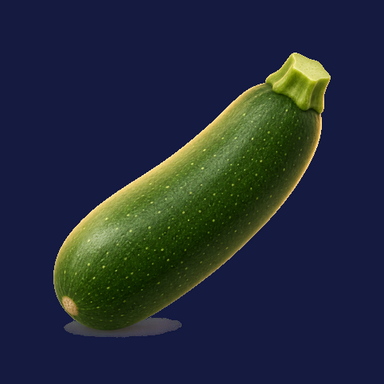
Your baby sleeps most of the day
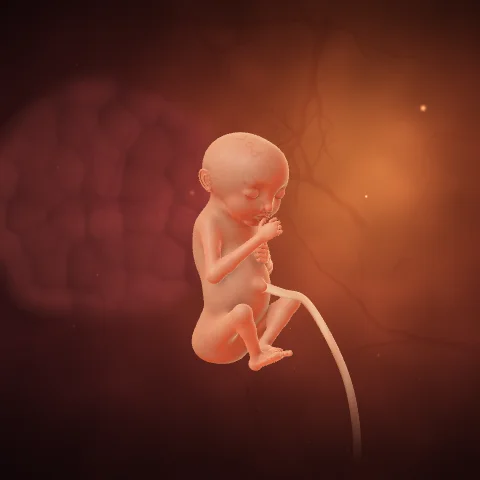
Your baby now has sleeping and waking cycles, and sleeps for about 18 hours a day.
About the length of a small zucchini
- Head to bottom
- 15.5 cm
- Typical weight
- 272 g
More about week 19
Say goodnight out loud tonight, using the same words each time.
A white, creamy coating called vernix is starting to cover and protect the skin.
Adult teeth are beginning to line up in the gums behind the baby teeth.
Week 20 · You are halfway to meeting your baby
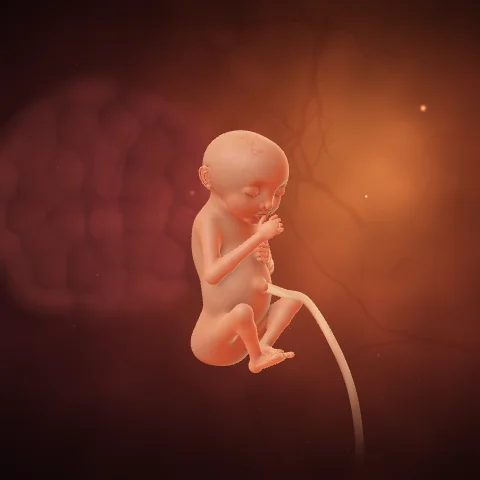

You are halfway to meeting your baby
This is the halfway point, and your baby is now measured from head to heel.
About the length of an ear of corn
- Head to heel
- 25 cm
- Typical weight
- 330 g
More about week 20
Hear how your voice sounds from the inside, then say something you want your baby to hear.
Noises or your own movements might wake your baby from sleep.
Your baby is building stores of brown fat, which will help them keep warm after birth.
From this week, length is shown from head to heel.
Week 21 · Your voice may be getting through
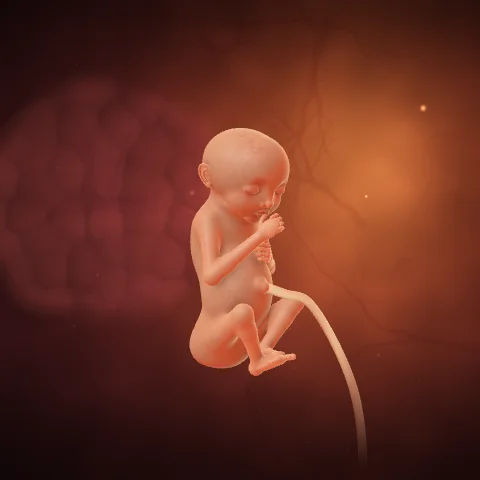
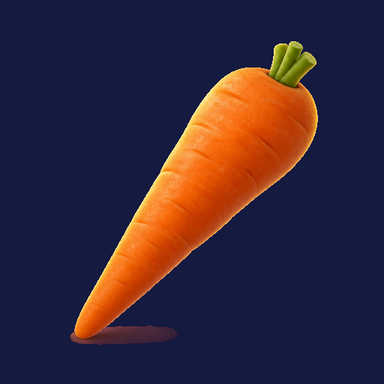
Your voice may be getting through
Voices and other sounds from outside may now be reaching your baby.
About the length of a large carrot
- Head to heel
- 27 cm
- Typical weight
- 398 g
More about week 21
Sing to your bump today, however it sounds, and ask your partner to join in.
The brain is developing the pathways it will use to process sound.
The arms and legs have caught up, so your baby looks more in proportion.
Week 22 · Your baby's inner ear is adult size
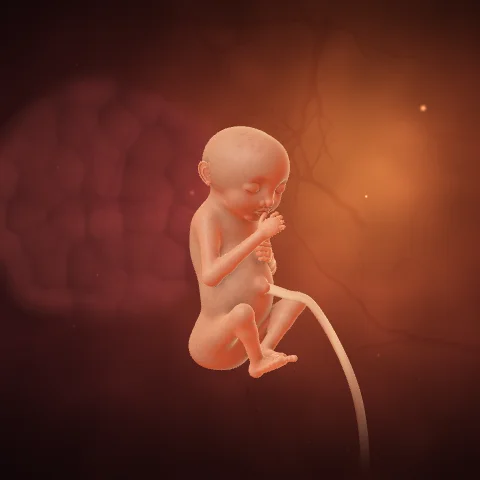

Your baby's inner ear is adult size
The inner ear has already reached its adult size.
About the length of a long eggplant
- Head to heel
- 28.5 cm
- Typical weight
- 476 g
More about week 22
Describe the room you are in out loud, as if showing a small guest around.
Eyebrows and eyelashes are in place, and hair is showing on the head.
Your baby changes position all the time, and often lies across your belly.
Week 23 · Your baby lives beside your heartbeat
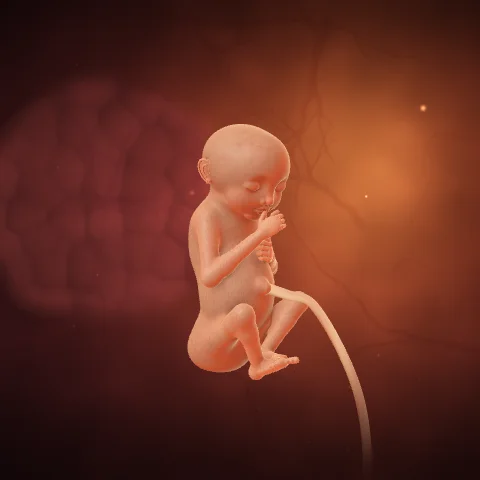
Your baby lives beside your heartbeat
The loudest sounds in the womb are your heartbeat and your voice.
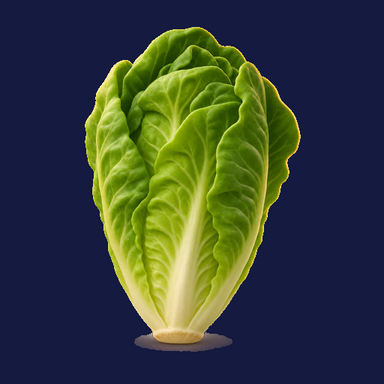
About the length of a head of romaine lettuce
- Head to heel
- 30.5 cm
- Typical weight
- 565 g
More about week 23
Invite someone close to tell the bump a story.
The eyes have started to make quick movements under the lids, as yours do when you dream.
The hair on the head and the eyebrows is starting to gain colour.
Week 24 · Your baby may get the hiccups
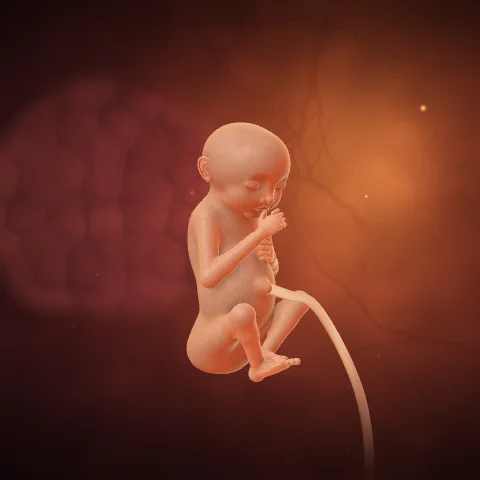
Your baby may get the hiccups
Hiccups are one of the little movements babies can make before birth.
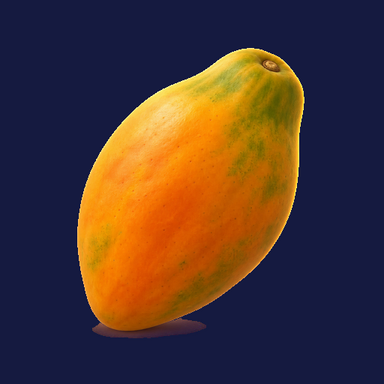
About the length of a large papaya
- Head to heel
- 31.5 cm
- Typical weight
- 665 g
More about week 24
Rest a hand on the bump together tonight and say hello.
Their lungs are growing new branches, a little like a tree.
The skin is thin and wrinkled, with a pink tint from the blood vessels just beneath it.
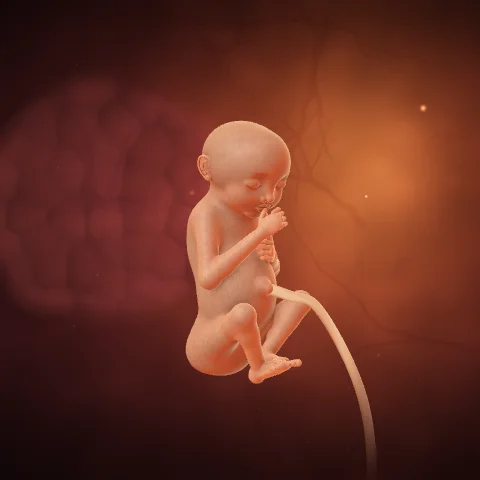
Week 25 · Your baby may move to your voice
Your baby may move to your voice
Your baby might move in response to familiar sounds, such as your voice or a favourite song.
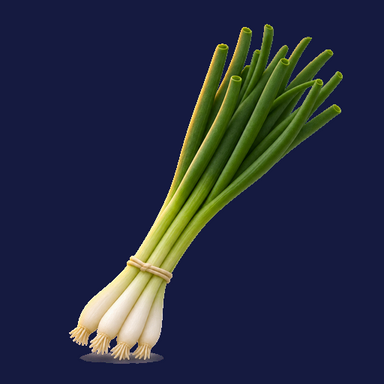
About the length of a bunch of spring onions
- Head to heel
- 33.5 cm
- Typical weight
- 778 g
More about week 25
Pick a favourite song to sing together tonight.
A sudden loud noise may make them startle.
The lungs are still developing.
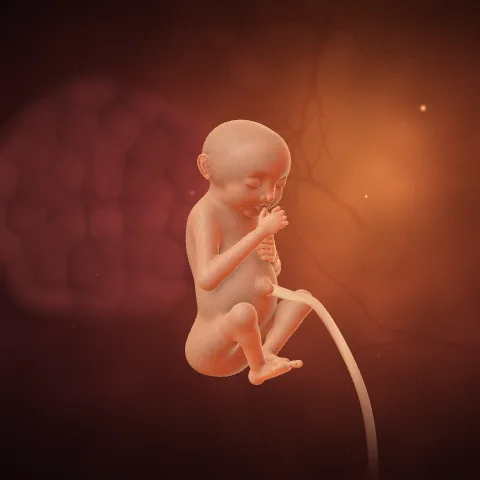
Week 26 · Eyelids are getting ready to open
Eyelids are getting ready to open
Around this stage, the eyelids can begin to open.
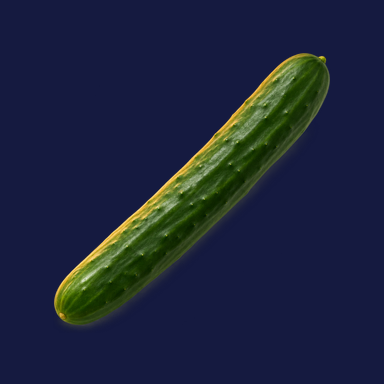
About the length of a long cucumber
- Head to heel
- 34.5 cm
- Typical weight
- 902 g
More about week 26
Stroke the bump slowly while you talk, so touch and voice arrive together.
They have been closed while the eyes develop.
From about now your baby starts putting on more fat and muscle.
Week 27 · Low sounds reach your baby best
Low sounds reach your baby best
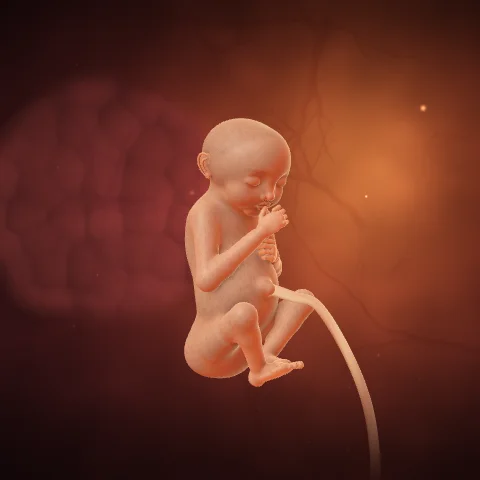
By now almost all babies respond to low sounds, while high notes take a few more weeks.
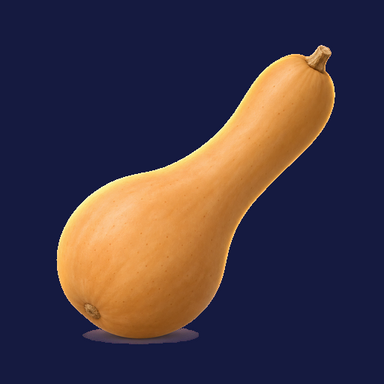
About the length of a large butternut squash
- Head to heel
- 35.5 cm
- Typical weight
- 1.04 kg
More about week 27
Ask the person with the deepest voice at home to talk to the bump tonight.
The skin is no longer see-through, and fat is starting to smooth out the wrinkles.
Your baby is still slim, and will put on a lot of weight over the next month.
Week 28 · Your baby may know your voice
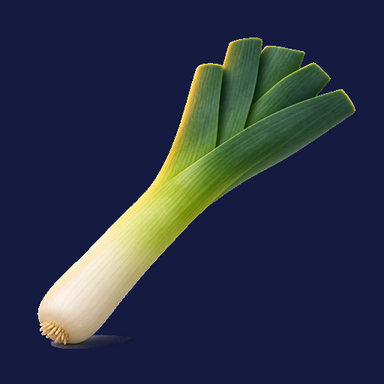
Your baby may know your voice
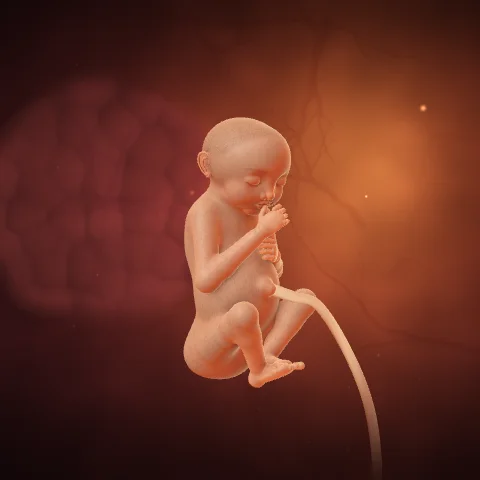
Your baby may now recognise familiar voices and sounds, including yours.
About the length of a leek
- Head to heel
- 37 cm
- Typical weight
- 1.19 kg
More about week 28
Take turns telling the bump about your day, so your baby hears both your voices.
The brain can now set off regular breathing movements, practice for the first breath.
Eyelashes have grown, and the eyelids can part a little.
Week 29 · A familiar tune
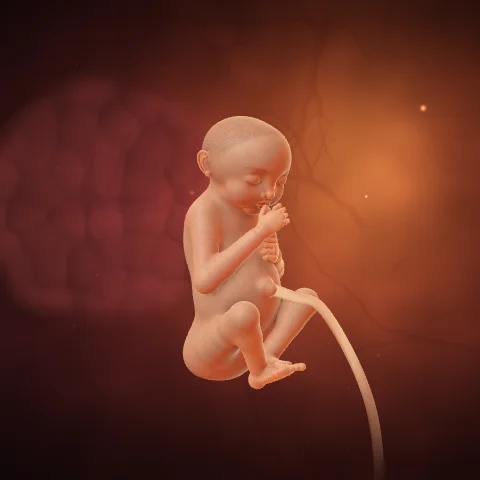
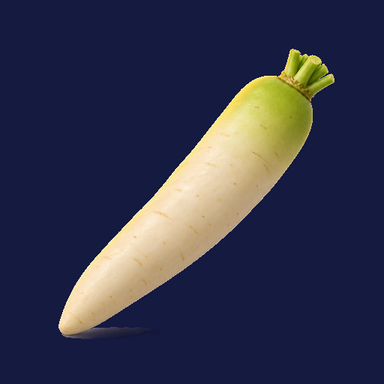
A familiar tune
In one small study, babies responded after birth to a tune played during the last part of pregnancy.
About the length of a long daikon
- Head to heel
- 38 cm
- Typical weight
- 1.35 kg
More about week 29
Try singing a lullaby you already know.
Your baby can kick, stretch and make grasping movements with their hands.
Practice breaths are falling into a more regular rhythm.
Week 30 · Your baby can open their eyes
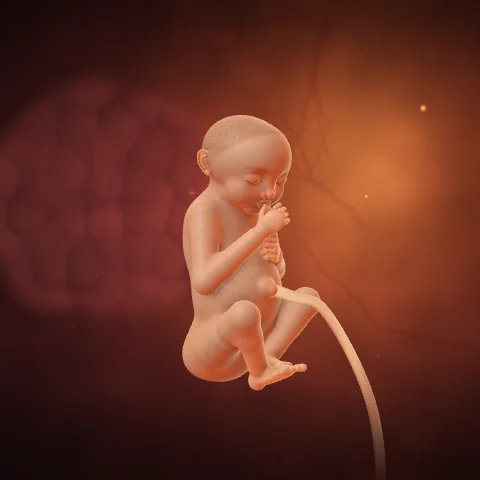
Your baby can open their eyes
Your baby can open their eyes wide and is beginning to focus.
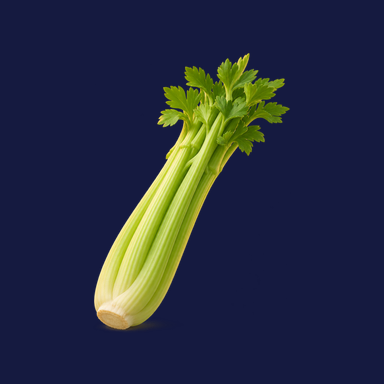
About the length of a bunch of celery
- Head to heel
- 39 cm
- Typical weight
- 1.52 kg
More about week 30
Tell your baby whose eyes you hope they have.
Some babies already have a good head of hair.
Fat is building up under the skin, smoothing out the wrinkles.
Week 31 · Your baby's pupils react to light
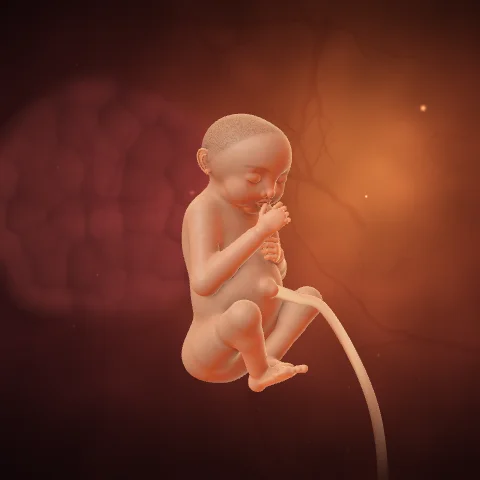
Your baby's pupils react to light
The pupils can now widen and narrow in response to light.
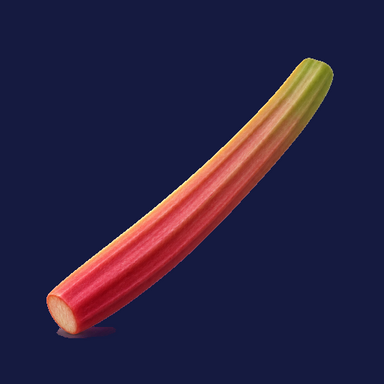
About the length of a long stalk of rhubarb
- Head to heel
- 41 cm
- Typical weight
- 1.71 kg
More about week 31
Invite a brother, sister or grandparent to say hello to the bump, so their voice becomes familiar too.
Your baby moves around, sucks their fingers and may now and then turn a somersault.
The brain is developing quickly, making huge numbers of new connections.
Week 32 · Tiny toenails have grown in
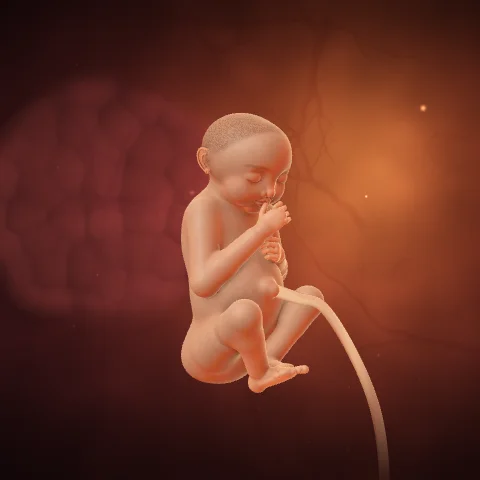
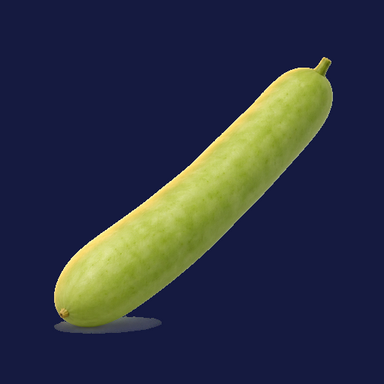
Tiny toenails have grown in
Your baby now has tiny toenails.
About the length of a long bottle gourd
- Head to heel
- 42 cm
- Typical weight
- 1.9 kg
More about week 32
Get comfortable, play the womb sounds and imagine the world your baby is hearing.
From now on your baby gains weight faster than length, rounding out week by week.
The soft, downy hair that covered the skin is starting to fall away.
Week 33 · The skull stays soft on purpose
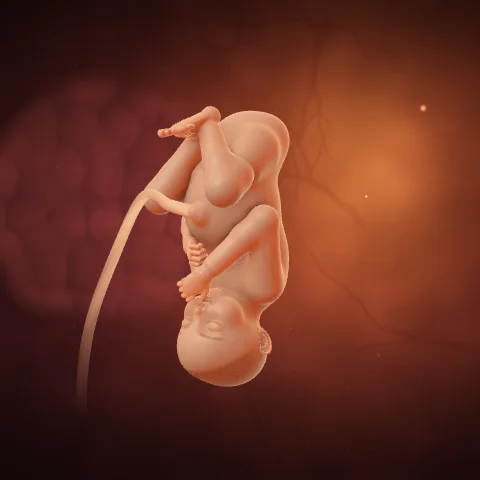
The skull stays soft on purpose
The bones are hardening, but the skull stays soft and flexible to make birth easier.
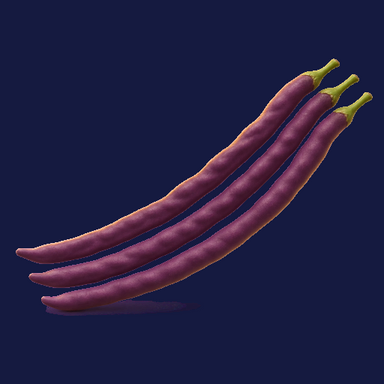
About the length of a bunch of yardlong beans
- Head to heel
- 43.5 cm
- Typical weight
- 2.1 kg
More about week 33
Sing your lullaby at the same time each evening this week.
Your baby is practising sucking and swallowing, and getting better at doing both together.
The liver is storing iron that will last your baby through the first months after birth.
Week 34 · Fingernails reach the fingertips
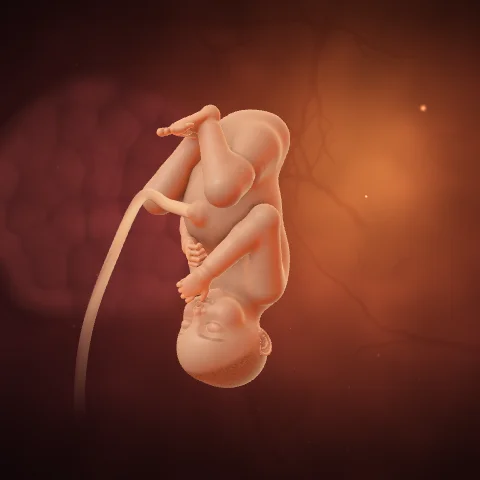
Fingernails reach the fingertips
The fingernails have grown all the way to the fingertips.
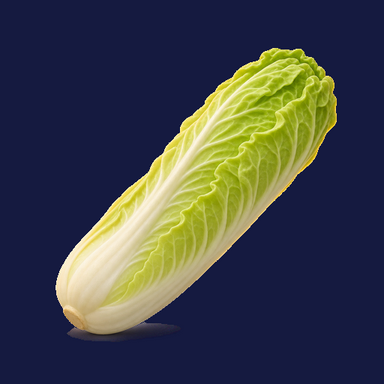
About the length of a long head of Chinese cabbage
- Head to heel
- 44.5 cm
- Typical weight
- 2.31 kg
More about week 34
Hold a newborn sock in your hand and picture the foot that will fill it.
Your baby lies curled up, with their legs tucked towards their chest.
Your baby swallows up to a litre of fluid a day and wees out about the same.
Week 35 · Getting ready to feed

Getting ready to feed
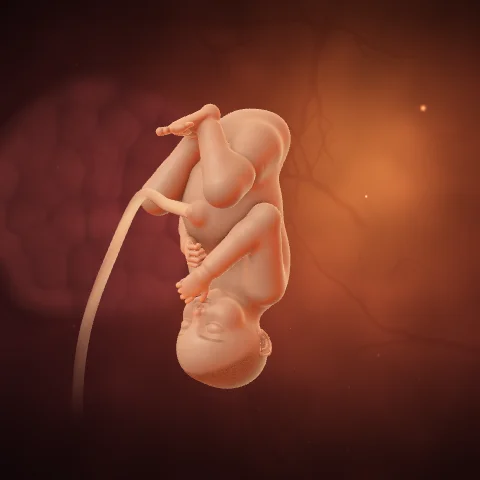
Your baby is practising the movements they will use to feed after birth.
About the length of a bunch of rainbow chard
- Head to heel
- 45.5 cm
- Typical weight
- 2.53 kg
More about week 35
Pick a tune you’d like to sing in the first few days together.
Sucking and swallowing are becoming more coordinated.
Your baby is getting rounder, and that extra fat will help them stay warm after birth.
Week 36 · Arms and legs are getting chubby
Arms and legs are getting chubby
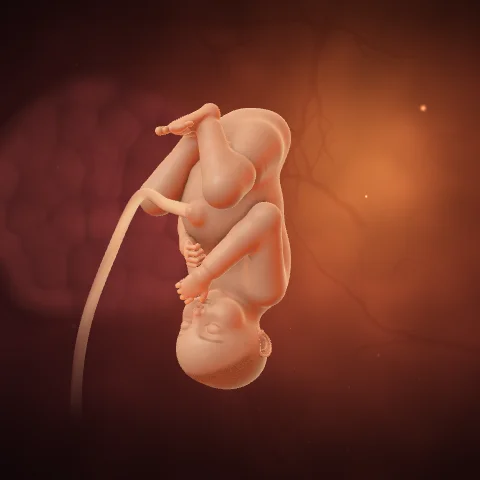
Fat under the skin is making your baby's arms and legs look chubby.
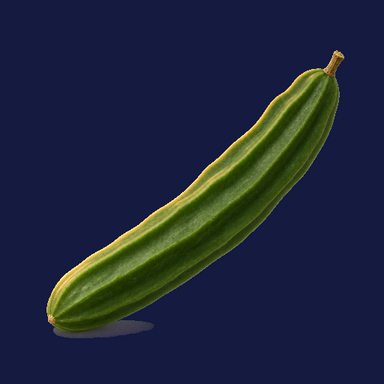
About the length of a long ridge gourd
- Head to heel
- 47 cm
- Typical weight
- 2.75 kg
More about week 36
Fold a few tiny clothes together and guess aloud who your baby will look like.
Many babies have turned head down by now, and some turn later.
Your baby is now able to suck and digest milk.
Week 37 · Your baby has a firm grip
Your baby has a firm grip
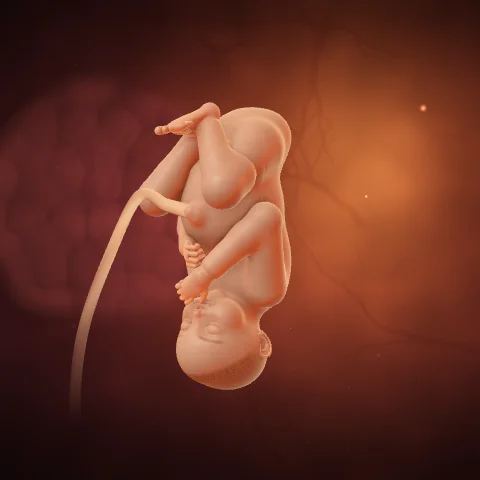
Your baby's hands can now grip firmly.
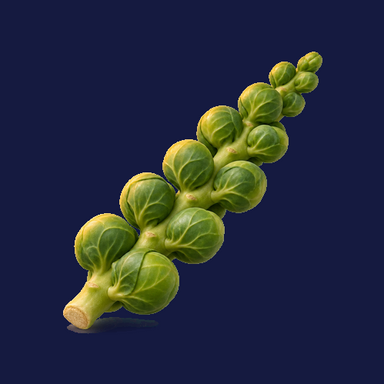
About the length of a stalk of Brussels sprouts
- Head to heel
- 47.5 cm
- Typical weight
- 2.97 kg
More about week 37
Hold hands for a minute and imagine a very small one closing around your finger.
Your baby is trying out expressions such as frowning and smiling, though they do not mean anything yet.
The first poo, a dark sticky substance called meconium, is already waiting in the gut.
Week 38 · Soft hair gives way to smooth skin
Soft hair gives way to smooth skin
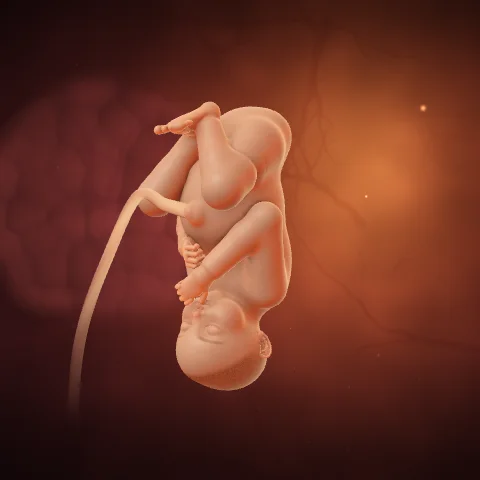
Most of the fine, downy hair has gone, though some babies are born with a few patches.
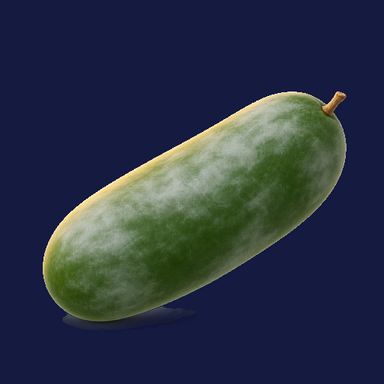
About the length of a long winter melon
- Head to heel
- 48.5 cm
- Typical weight
- 3.19 kg
More about week 38
Record your lullaby now, so anyone can play it to your baby in the first weeks.
The toenails have reached the tips of the toes.
Many babies still wear some of the creamy white coating that has protected their skin.
Week 39 · Your baby's brain is growing fast
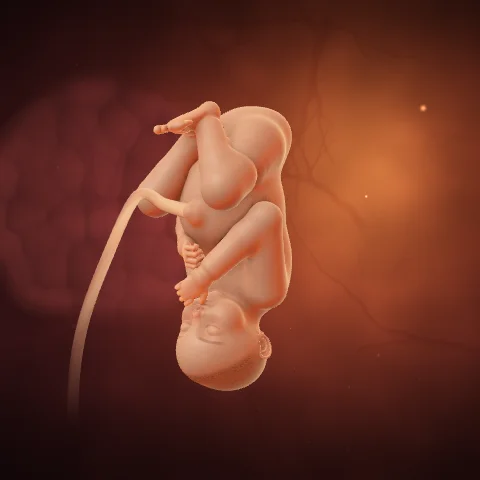
Your baby's brain is growing fast
The brain is still growing quickly.
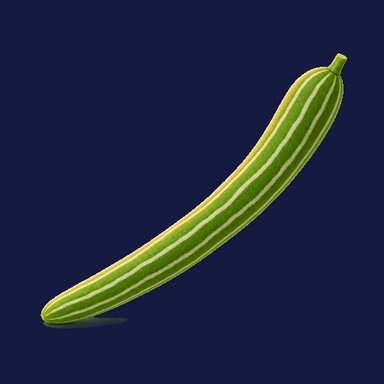
About the length of a striped snake gourd
- Head to heel
- 49.5 cm
- Typical weight
- 3.4 kg
More about week 39
Say your baby's name out loud, or the names you are still choosing between.
The skin has grown a tougher new layer, better at holding in warmth.
Fat has been added all over the body, ready to keep your baby warm after birth.
Week 40 · A due date is only an estimate
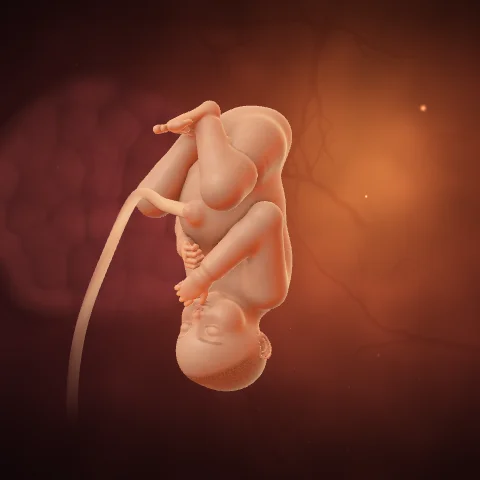
A due date is only an estimate
A due date is an estimate, and many babies arrive in the days before or after it.
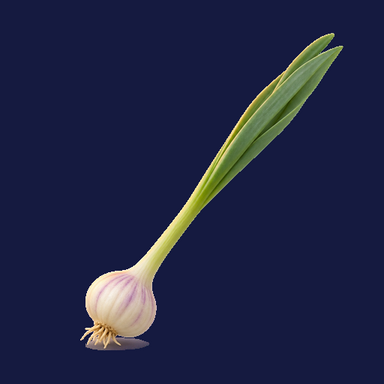
About the length of a whole green garlic plant
- Head to heel
- 49.5 cm
- Typical weight
- 3.62 kg
More about week 40
Sing the lullaby your baby has heard all these weeks, slowly, with nowhere to be.
If your due date has passed, ask your midwife or doctor what to expect next.
The bones of the skull are still soft and flexible, so a newborn's head can look a little pointed.
Week 41 · A little past the due date

A little past the due date
Your midwife or doctor can talk through next steps if your due date has passed.
About the length of a pineapple with its crown
More about week 41
Write down one question you’d like to ask your care team.
The fastest growing is done, so your baby looks much as they will on the day you meet.
Most babies now weigh somewhere between about 3 and 4 kilograms.
Week 42 · Nearly time to meet each other
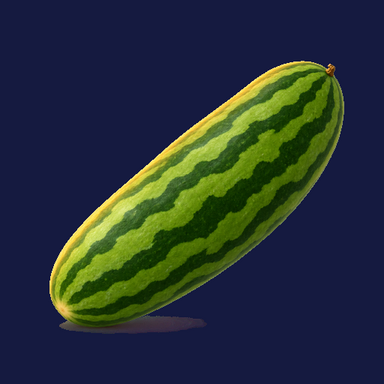
Nearly time to meet each other
Babies can become familiar with voices and sounds before birth.
About the length of a long watermelon
More about week 42
Think of one thing you’d like to say when you meet.
A late baby has often shed the creamy coating, so their skin may look dry or peel for a few days.
The lullaby your baby has been hearing can stay familiar for weeks after birth.
About the size estimates
Size comparisons, illustrations and measurements are general estimates. From week 20, length is shown head to heel.
Estimated weight and later length estimates use the WHO Fetal Growth Charts by Kiserud et al. (2017), CC BY 4.0. Weeks 20 to 40 use median femur lengths with the Vintzileos et al. formula, rounded for this guide.
For concerns about a change in movement, Pregnancy, Birth and Baby explains when to contact your care team.
A little closer
What might a lullaby sound like from inside the womb?
Audio couldn’t load. Try playing it again.
Audio couldn’t load. Try playing it again.
Audio couldn’t load. Try playing it again.
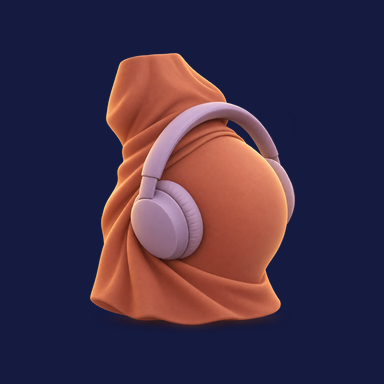
From bump to the first nights

While you’re expecting
Keep bump photos in your pregnancy diary, put together your hospital bag checklist and time contractions when labour starts.

When they’re here
Time a feed, note nappies and wakes, and share the night’s log with whoever’s taking the next shift.
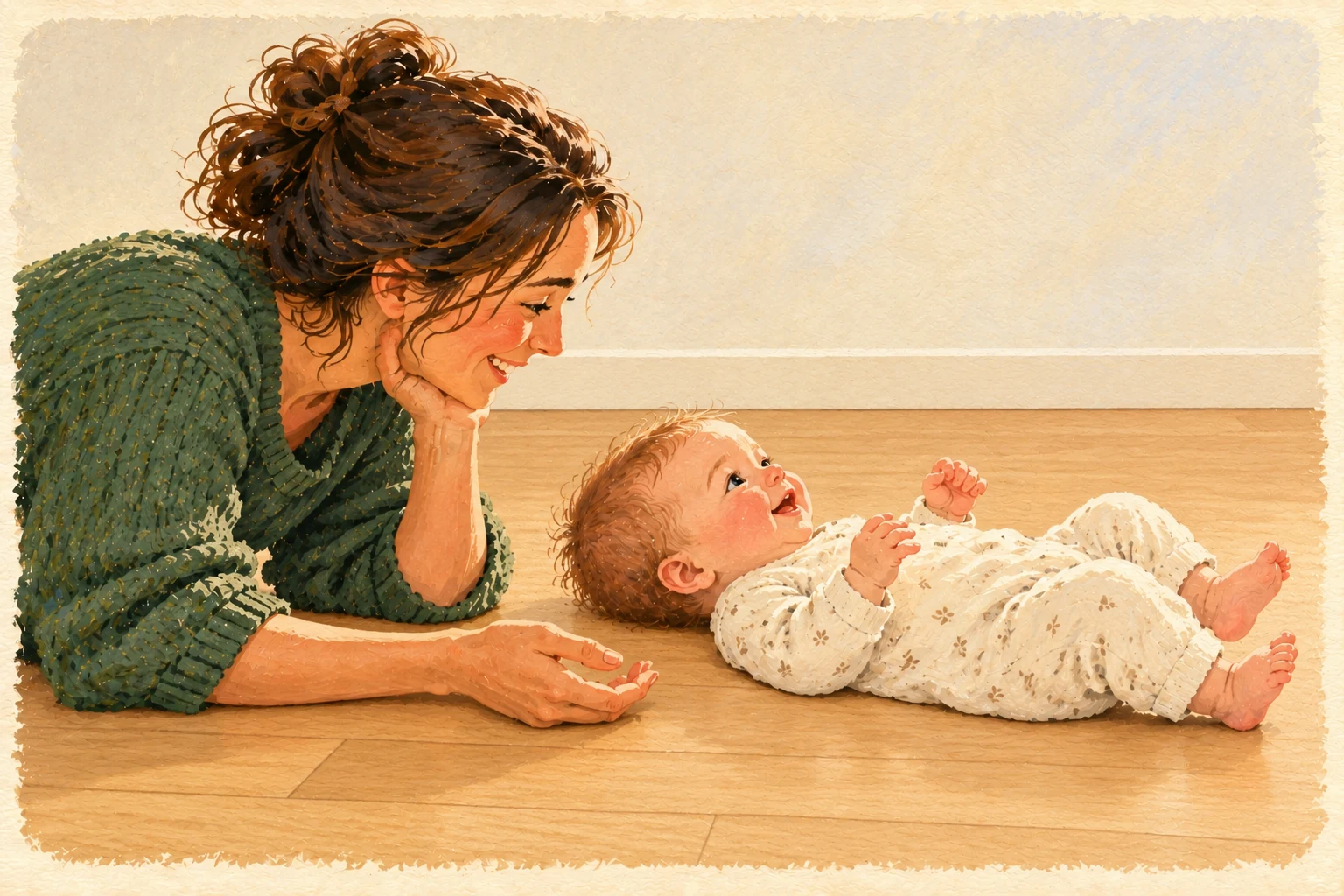
Play from day one
Find something small to do together, from a newborn song to a game of peekaboo.
Explore screen-free baby play by ageSupport for you, too
Find someone to talk to about how you’re feeling in pregnancy or after birth, or get help with feeding.